
Rebuilding a life after addiction isn’t just about stopping a behavior; it’s about meeting ourselves again. This process can be painful, but it is also full of potential.
Addiction often freezes emotional development. We might lose the capacity for intimate connection with ourselves, making us feel tenuous about sharing romance and tenderness with others. I know my own partner consistently challenges me to grow my emotional intelligence so I can be more attuned to both myself and her.
The Cultural Amputation of Male Vulnerability
As a man, I often wonder if I ever felt a strong connection to my world of feelings, even before addiction. I craved closeness and wanted to fall in love. However, I grew up in a culture that “amputates” boys from their vulnerability.
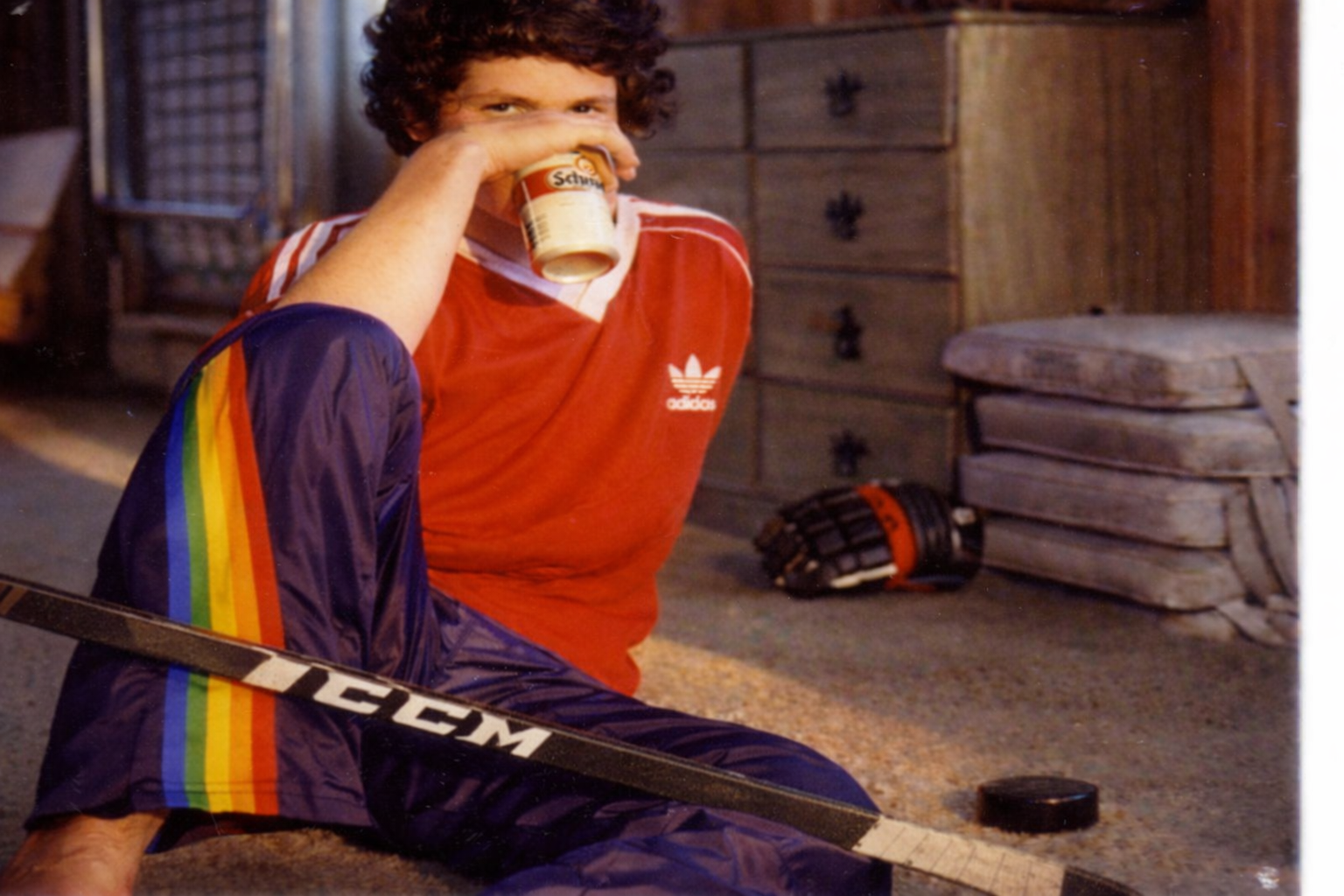
We are taught that deep emotional attunement is “female” or “gay,” and that these things are dangerous. Even at a young age, boys are often shamed for their range of emotions, for desiring true intimacy, and for being fully human.
Sideways Connections: Hook-ups and Pornography
When we are cut off from these parts of ourselves, we still feel the need for connection. The problem is that we often go about it “sideways.” We try to reconnect through poor substitutes like:
- Hook-ups
- Serial relationships
- Pornography
These habits often reinforce cultural conditioning and the losses from addiction we are trying to heal. We get intensity but no intimacy. We get momentary endorphins but no reciprocity. In these spaces, consent and ethical responsibility can feel shaky. Rather than helping us live into healthy romance, these pathways reinforce disconnection from our bodies, our feelings, and our partners.
What Heated Rivalry Teaches Us About Mutuality
This is where the show Heated Rivalry comes in. It has become a cultural touchpoint, and many of our women partners are watching it. While the show offers plenty of erotic heat, it also models something rare: interdependent mutuality and equality.
Unlike much of the media men consume, Heated Rivalry offers enthusiastic love without gender hierarchies or violent misogyny. As we develop into better men, lovers, and partners, there is much we can learn from this model.
Redefining Masculinity Through Queer Media
Research and lived experience show that most men want deeper, more attuned intimacy. It’s not that we aren’t capable of it; we simply weren’t taught how. Furthermore, we are often pressured to reject beneficial lessons because they come from queer or female voices.
Heated Rivalry is a love story where each person is independent, successful, and driven—yet also mutually supported. Even in the hottest moments, no one is co-opted, reduced to an object, or exploited.
Initial intense encounters are full of conversation, kissing, and reciprocal enthusiasm. Over time, love grows through flirtation and care. Women may be drawn to this because it reflects what they want in relationships with us: simmering encounters stoked by attunement and equality.
A Potential Way Forward
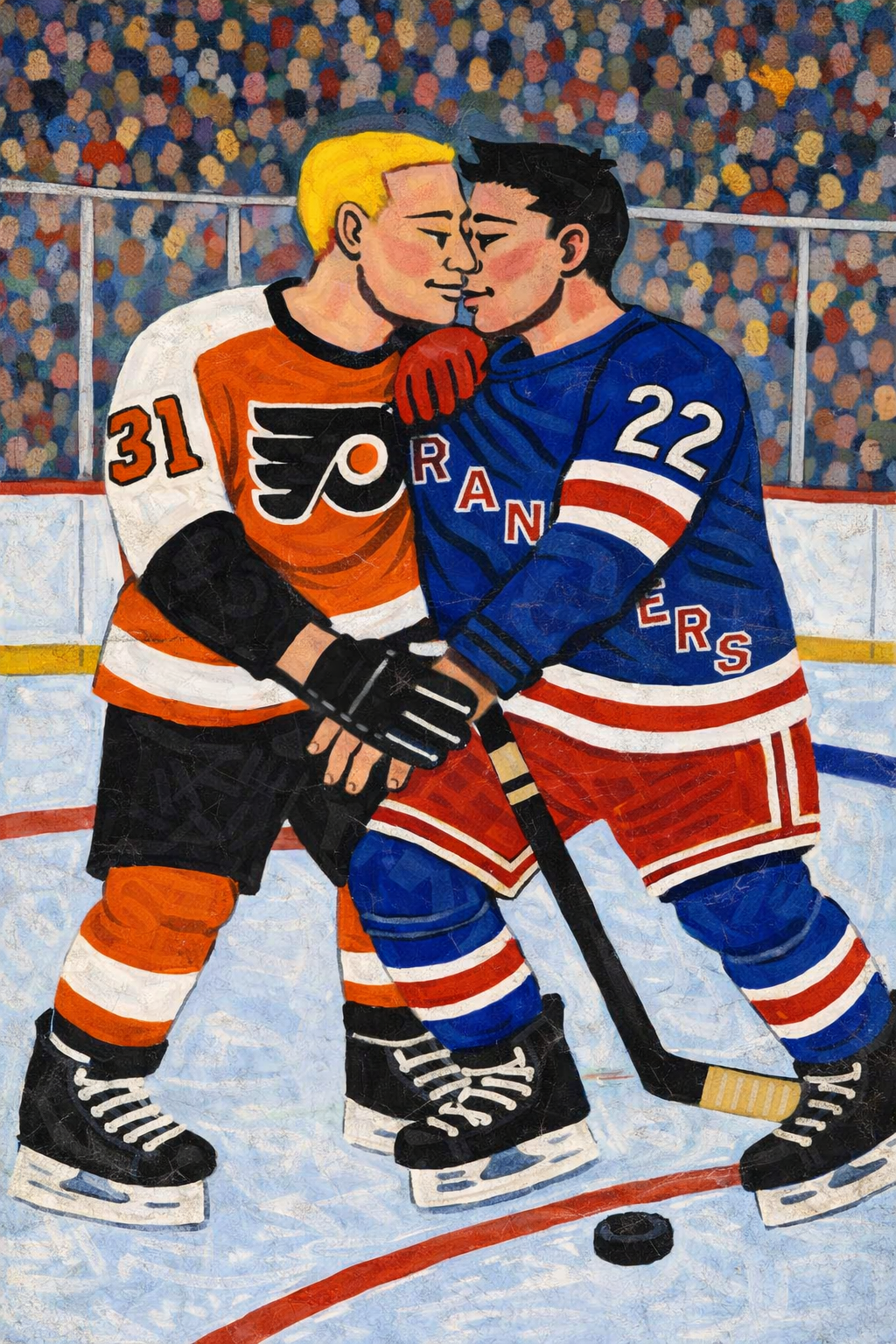
I wonder if I could have watched Heated Rivalry as a younger man, or if I would have dismissed it out of fear. I am grateful I know better now. I have a partner who reminds me to appreciate queer culture as a model for how to re-create myself and my relationships.
Heated Rivalry teaches an expansive masculinity that:
- Centers kindness and repair.
- Celebrates human desire.
- Embraces rather than fears vulnerability.
This is a way forward that insists on “power-with” instead of “power-over” partnerships. It makes us far more capable of deep love—both with others and ourselves.
About the Author Jeremy Frank, Ph.D., CADC, is in long-term recovery from addiction. He runs Jeremy Frank Associates in Philadelphia and the Main Line, specializing in the psychology of addiction, harm reduction, and mental health services.