• Skip to main content
  • Skip to header right navigation
  • Skip to after header navigation
  • Skip to site footer

New Harm Reduction and Abstinence group forming now! Click here for info

Jeremy Frank & Associates

Jeremy Frank & Associates

Therapy for Addiction & Mental Health

  • START HERE
  • About
    • Mission and Values
    • Testimonials
  • Meet the Therapists
    • Jeremy Frank, PhD, CADC
    • Carla Runnels, LPC, CAADC, MA
    • Nick Nehéz, MSW, LSW
    • Jordan Lief, PsyD, CSAT
    • Alexander Ott, MA, LMFT
    • Jake Brennan, MA, LPC
    • Kent Matthies, MFT, MDiv
    • Molly Schenker, LSW
    • James R. McKay, PhD
  • Services
    • Individual Therapy
    • Family Counseling
    • Couples Therapy
    • Evaluation
      • DUI DWI Legal Alcohol or Drug Evaluation
    • Teletherapy – Online Counseling
    • Groups
  • How We Work
    • Evidence Based, Empirical & Best Practices Models
    • Individualized and Personalized Therapy
    • Harm Reduction
    • Twelve Step (12 Step) Approaches
    • SMART Recovery
    • Abstinence Based Approaches
    • The ASCENT Approach
  • Specialties
    • Drug and Alcohol Addiction
    • Gambling Addiction
    • Gaming Addiction
    • Sex & Love Addiction
    • Shopping and Spending Addiction
    • Other Addictions
    • Mental Health and Co-Occurring Issues
  • Blog & Resources
  • For Clients
    • Get Started
    • Locations
    • Contact
    • Common Questions
    • Consent Forms
    • Private, Confidential, and Discreet
    • Privacy Policy

Addiction as a Disease: The Science, the History, and a Harm-Reduction Perspective

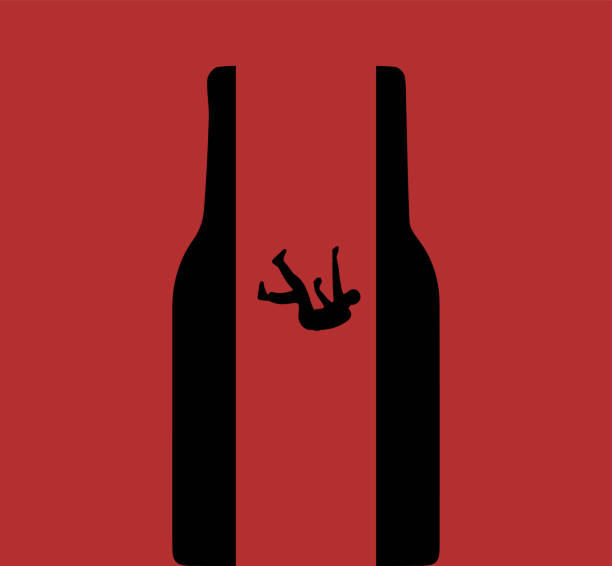
Drunk person drowning in alcoholism, alcohol drinking addiction problem illustration

Whether addiction is a disease continues to be debated, but in modern psychology and neuroscience, addiction is best understood as a biopsychosocial brain disorder. This framework helps explain why substance use can persist despite consequences—and why shame, punishment, and abstinence-only approaches can often fall short.

Viewing addiction through both a disease model and a harm-reduction lens allows for more realistic, compassionate, and effective care.

Moving Beyond the Moral Model

Historically, addiction was framed as a moral failure or lack of willpower. This belief fueled stigma, shame, and punitive responses—many of which still influence incarceration and healthcare systems today.

As research advanced, addiction became recognized as a condition involving measurable changes in brain function. This shift helped normalize treatment, reduce blame, and increase access to care. Harm reduction builds on this progress by recognizing that people deserve support whether or not they choose abstinence.

How Addiction Changes the Brain

Repeated drug or alcohol use alters neural pathways involved in reward, memory, stress, and decision-making. These changes help explain why substance use can feel compulsive rather than intentional.

Key brain systems affected include:

  • The limbic system, which prioritizes survival and immediate relief
  • The reward pathway, where dopamine reinforces substance use
  • The prefrontal cortex, which supports impulse control and long-term planning

Once these pathways are activated, they don’t simply “reset,” which is why recovery often involves ongoing care, flexibility, and support.

Cravings, Relapse, and Risk: What The Science Tells Us

Addiction is shaped by overlapping biological and psychological factors:

  • Genetics: Family history significantly increases vulnerability to substance use disorders.
  • Dopamine and reward: Substances elevate dopamine, shifting pleasure thresholds and reducing satisfaction from everyday experiences.
  • Memory and triggers: Glutamate strengthens associations between substances and relief, reinforcing cravings.
  • Stress and anhedonia: Chronic stress reduces emotional regulation and pleasure, increasing reliance on substances.

Harm reduction acknowledges these realities by focusing on reducing risk, increasing safety, and supporting incremental change, rather than demanding perfection.

Choice, Capacity, and Compassion

Addiction does involve choice—but brain changes in decision-making regions reduce flexibility, especially under stress or after use begins. Harm-reduction approaches respect autonomy while offering tools to increase safety, awareness, and control over time.

This may include:

  • Reducing frequency or quantity of use
  • Using safer-use
  • Addressing underlying trauma or mental health concerns
  • Exploring goals that feel attainable and meaningful

Why This Perspective Matters

Understanding addiction as a brain-based condition—while honoring harm-reduction principles—creates space for people to seek help without shame and pressure. It supports engagement in therapy, improves outcomes, and recognizes that recovery is not one-size-fits-all.

Addiction is complex, but healing is possible. Whether someone is pursuing abstinence, moderation, or safer use, compassionate, evidence-based therapy can support meaningful change. Our therapists value all approaches at Jeremy Frank and Associates and would love to be part of your journey. Get started today!


December 19, 2025 by Jeremy Frank and Associates
Category: Addiction Recovery, Addiction Treatment, Harm Reduction, Mental Health, Resources, WellnessTag: addiction counseling, alcohol recovery, drug recovery, harm reduction, substance use, therapy

Related Posts

Addiction as a Disease: The Science, the History, and a Harm-Reduction Perspective

December 19, 2025

Four Ways to Honor Addiction Recovery During Holiday Time Off

December 19, 2025

Navigating the Holidays in Recovery: Support During “The Most Wonderful Time of the Year”

November 20, 2025

Start Your Recovery Now

Let’s find out where you are right now and together we’ll choose the best approach so you can recover.

Schedule a consultation. Reach out today.

New Clients Start Here
Jeremy Frank & Associates
About
  • About
  • Meet the Therapists
  • Therapy Services
  • Our Approaches
  • Blog & Resources
  • Common Questions
  • Get Started
Specialties
  • Drug and Alcohol Addiction
  • Gambling Addiction
  • Gaming Addiction
  • Understanding Sex Addiction
  • Shopping and Spending Addiction
  • Mental Health and Co-Occurring Issues
Connect
  • Locations
  • New Clients Start Here
  • Contact
  • (215)356-8061
  • Email Us
  • 2401 Pennsylvania Ave
    Unit 1C52
    Philadelphia, PA 19130

  • 2 Bala Plaza
    Suite 13
    Bala Cynwyd, PA 19004

  • Facebook
  • X
  • Instagram
  • LinkedIn
  • YouTube

Information on this website www.jeremyfrankassociates.com does not constitute a therapeutic relationship and should not be construed as clinical advice, counseling or therapy. We assume no liability for the information within this website or harm that may result from using, referencing, relying on, or decisions executed from its use. 

Copyright © 2025 · Jeremy Frank & Associates · All Rights Reserved · Website by True Leaf. Powered by Biz Budding.