
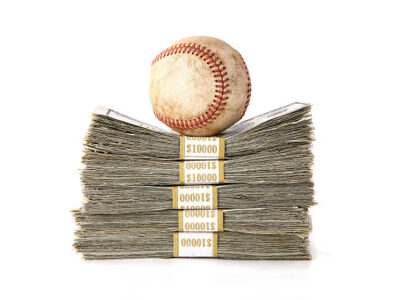
If you’ve attended a Phillies game recently, you may have noticed something missing: the gambling advertisements that once seemed to be everywhere at Citizens Bank Park appear far less noticeable. While the Phillies have not publicly announced a sweeping policy change, the shift comes as sports betting marketing faces increasing scrutiny, particularly following recent controversy surrounding FanDuel’s VIP marketing practices and a lawsuit involving a customer with gambling addiction.
For many fans, fewer betting ads may simply make the ballpark feel less cluttered. For others—especially those in recovery—it may represent something much more meaningful.
How Gambling Ads Normalize Betting
One of the most powerful forces in advertising isn’t persuasion—it’s normalization.
When gambling logos appear on scoreboards, broadcasts, jerseys, and stadium signage, they send a subtle but powerful message:
- “Everyone is doing this.”
- “This is just part of being a sports fan.”
- “Betting makes the game more exciting.”
Psychologists call this social norming—our tendency to view repeated behaviors as acceptable simply because we see them everywhere.
Research consistently shows that repeated exposure to gambling marketing increases positive attitudes toward betting, particularly among young adults and individuals already at risk for gambling problems. The constant pairing of sports and wagering blurs the line between enjoying a game and feeling like placing a bet is simply part of the experience.
Why This Matters for People in Recovery
Imagine trying to stop drinking while every baseball game featured alcohol promotions between every inning.
That’s often what recovery from gambling addiction feels like.
Environmental cues can be powerful triggers. Seeing sportsbook logos, live betting odds, or promotional offers can activate cravings long before a person consciously recognizes what’s happening.
Recovery isn’t simply about willpower—it’s about reducing unnecessary triggers whenever possible.
A Cultural Shift?
Public conversation around sports betting advertising intensified after a personalized FanDuel promotional video featuring Phillies star Bryce Harper surfaced in connection with a lawsuit involving a customer who allegedly lost more than $1 million through sports betting. There has been no allegation that Harper knowingly targeted or endorsed marketing to someone experiencing gambling addiction. Instead, the controversy has raised broader questions about how sportsbooks use celebrity endorsements and VIP marketing to encourage continued gambling among their highest-value customers.
Regardless of where responsibility ultimately falls, the story points to something much bigger than one athlete or one sportsbook. It underscores just how deeply gambling has become woven into the culture of sports. When betting promotions are everywhere—from television broadcasts and podcasts to social media and stadium signage—it becomes easy to forget that gambling carries real risks. Constant exposure can make gambling feel less like a financial risk and more like a normal, expected part of being a sports fan.
Whether the decrease in gambling advertising at Citizens Bank Park is temporary, intentional, or simply coincidental, it raises an important question:
What responsibility do sports organizations have in protecting vulnerable fans?
We Can Love Sports Without Promoting Gambling
Being a Phillies fan doesn’t require placing a wager.
The excitement of a walk-off home run, the tension of a full count, and the joy of celebrating with family are meaningful on their own.
As conversations about responsible gambling continue, reducing the visibility of gambling advertising may help create environments where sports remain about community, competition, and connection—not constant encouragement to gamble.
For people struggling with gambling addiction, fewer reminders and fewer triggers can make a meaningful difference. While no single change will prevent problem gambling, creating spaces where the focus is on the game—not the next bet—is a step in the right direction.
If gambling has stopped feeling like entertainment and started feeling like something you can’t control, know that effective treatment is available. Recovery is possible, and asking for help is one of the strongest plays you can make.
If you or someone you know is struggling with gambling, we are here to help. Contact us today!