

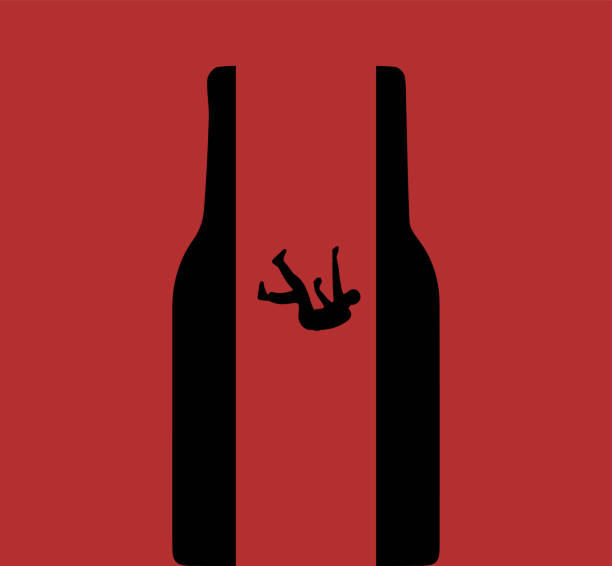
Whether addiction is a disease continues to be debated, but in modern psychology and neuroscience, addiction is best understood as a biopsychosocial brain disorder. This framework helps explain why substance use can persist despite consequences—and why shame, punishment, and abstinence-only approaches can often fall short.
Viewing addiction through both a disease model and a harm-reduction lens allows for more realistic, compassionate, and effective care.
Moving Beyond the Moral Model
Historically, addiction was framed as a moral failure or lack of willpower. This belief fueled stigma, shame, and punitive responses—many of which still influence incarceration and healthcare systems today.
As research advanced, addiction became recognized as a condition involving measurable changes in brain function. This shift helped normalize treatment, reduce blame, and increase access to care. Harm reduction builds on this progress by recognizing that people deserve support whether or not they choose abstinence.
How Addiction Changes the Brain
Repeated drug or alcohol use alters neural pathways involved in reward, memory, stress, and decision-making. These changes help explain why substance use can feel compulsive rather than intentional.
Key brain systems affected include:
- The limbic system, which prioritizes survival and immediate relief
- The reward pathway, where dopamine reinforces substance use
- The prefrontal cortex, which supports impulse control and long-term planning
Once these pathways are activated, they don’t simply “reset,” which is why recovery often involves ongoing care, flexibility, and support.
Cravings, Relapse, and Risk: What The Science Tells Us
Addiction is shaped by overlapping biological and psychological factors:
- Genetics: Family history significantly increases vulnerability to substance use disorders.
- Dopamine and reward: Substances elevate dopamine, shifting pleasure thresholds and reducing satisfaction from everyday experiences.
- Memory and triggers: Glutamate strengthens associations between substances and relief, reinforcing cravings.
- Stress and anhedonia: Chronic stress reduces emotional regulation and pleasure, increasing reliance on substances.
Harm reduction acknowledges these realities by focusing on reducing risk, increasing safety, and supporting incremental change, rather than demanding perfection.
Choice, Capacity, and Compassion
Addiction does involve choice—but brain changes in decision-making regions reduce flexibility, especially under stress or after use begins. Harm-reduction approaches respect autonomy while offering tools to increase safety, awareness, and control over time.
This may include:
- Reducing frequency or quantity of use
- Using safer-use
- Addressing underlying trauma or mental health concerns
- Exploring goals that feel attainable and meaningful
Why This Perspective Matters
Understanding addiction as a brain-based condition—while honoring harm-reduction principles—creates space for people to seek help without shame and pressure. It supports engagement in therapy, improves outcomes, and recognizes that recovery is not one-size-fits-all.
Addiction is complex, but healing is possible. Whether someone is pursuing abstinence, moderation, or safer use, compassionate, evidence-based therapy can support meaningful change. Our therapists value all approaches at Jeremy Frank and Associates and would love to be part of your journey. Get started today!